

Supreme Court Composition Could Affect Sports Event Contracts
Democrats' gains in the US midterm elections have reignited the political fight over the Supreme Court's composition. This could also shape how a possible lawsuit over the legality of sports event contracts unfolds.

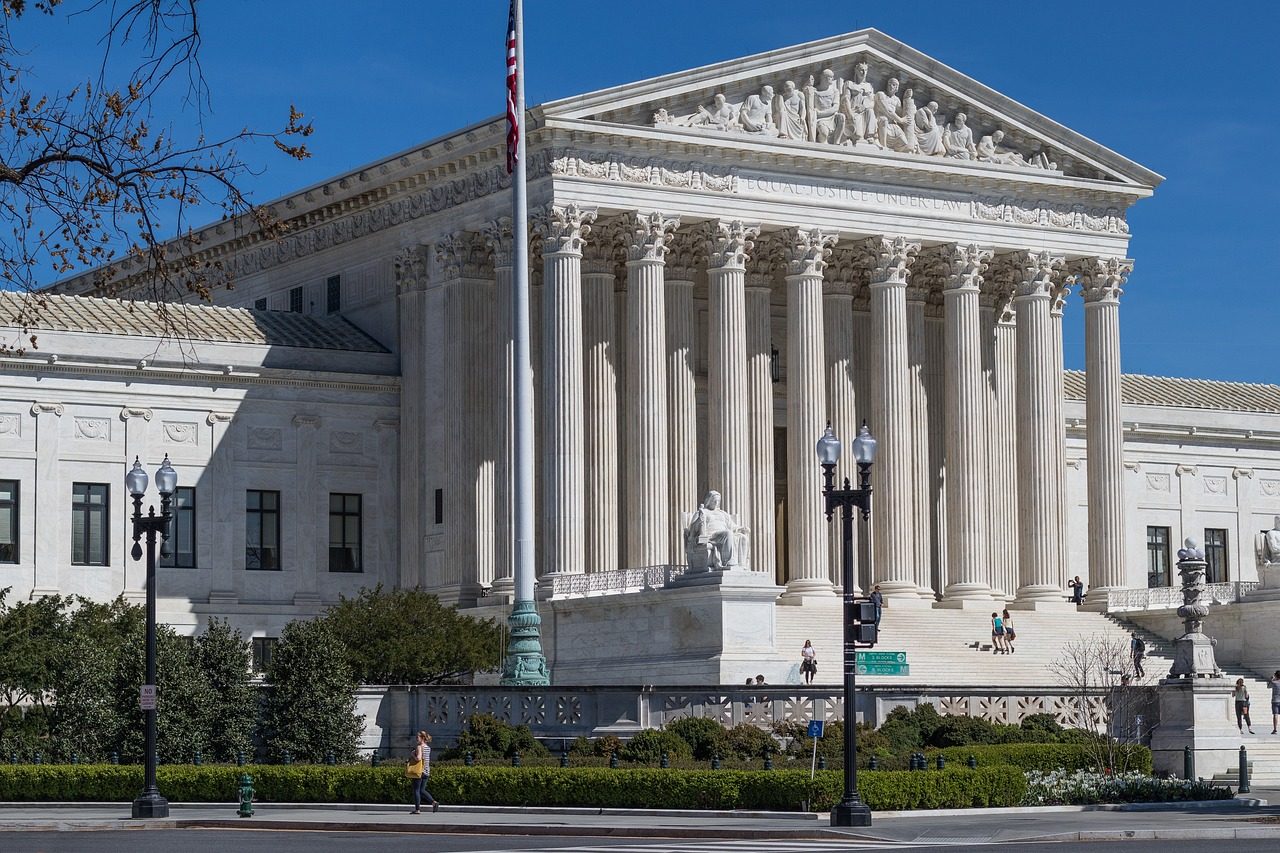
Following Tuesday's elections in the US, Democrats won majorities in both the Senate and the House of Representatives. Early on election night, prediction markets had priced the chances of a Democratic win at around 90 percent. Florida Governor Ron DeSantis wrote in a post on X that the likelihood of a 'worthy successor' being confirmed in place of Justices Samuel Alito and Clarence Thomas during the rest of Trump's term was close to zero.
In 2016, after Chief Justice Antonin Scalia died, Senate Majority Leader Mitch McConnell blocked the confirmation of President Obama's nominee, Merrick Garland. Garland's nomination waited 293 days, the longest wait in US history. That vacancy paved the way for Trump to appoint Neil Gorsuch. Clarence Thomas, the longest-serving justice on the Supreme Court, was appointed by George H.W. Bush about a year before PASPA took effect.
The federal preemption case over sports event contracts is expected to be heard early next year. A deadlock over appointing a new justice to the Supreme Court could affect how that case proceeds. Trading volume on prediction markets exceeded 185 billion dollars in the third quarter. Volume from operators on the midterm elections alone was at least 1.4 billion dollars.
CFTC Chairman Michael Selig argues that the CFTC has exclusive authority over sports derivatives. Critics point out that Donald Trump Jr., the President's son, sits on the boards of Kalshi and Polymarket, and allege nepotism. Selig denied claims that the Trump family's commercial interests played a role in the regulatory process.
On Wednesday, the Ninth Circuit Court of Appeals denied Kalshi's request for a rehearing on whether sports event contracts count as 'swaps' and on their legality. According to sector lawyer Daniel Wallach, Kalshi has 90 days to petition the Supreme Court. Differing rulings from appeals courts on this question have created a circuit split. The chance that the Supreme Court agrees to hear the case is rising because of this split.



Comments (0)
Be the first to comment.
Log in to comment.