

Partouche Continues Fight Over Infiniti Casino Building
Partouche is continuing its efforts to regain ownership of the building housing the Infiniti Casino in Berck-sur-Mer, despite the casino's opening and rulings by France's high courts. Group Chairman Fabrice Paire said the group will keep fighting for recognition of its property rights.

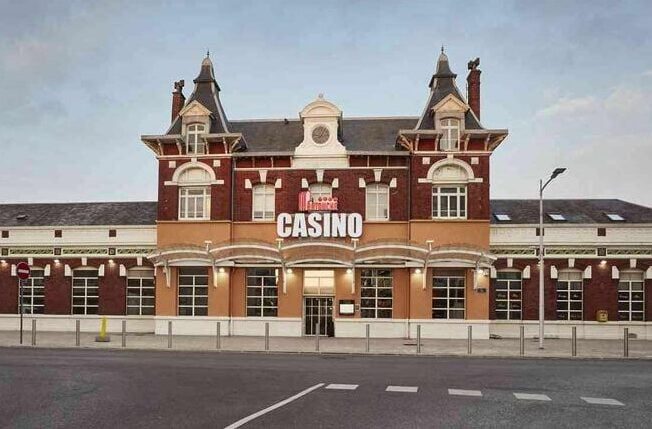
Partouche is continuing its efforts to regain the property in Berck-sur-Mer, in the Pas-de-Calais region, despite the opening of the Infiniti Casino and a ruling by France's high court on the building's ownership. In a statement sent to Journal des Casinos, Group Chairman Fabrice Paire said the Paris-based group will continue to fight for the recognition and protection of its property rights.
Paire recalled that the Court of Cassation refused to refer the priority constitutionality question to the Constitutional Council. In his view, this refusal was an assessment made in the context of interim measures and does not determine whether the municipality's interpretations of public procurement law are constitutional.
Paire said Partouche bought the building from the municipality in 1997 for a price and leased it to its subsidiary, Jean Metz. He said Partouche did not sign the concession contract renewed in 2005, but that it controlled the operator. He stated that the Council of State considered this control over the company and the building's exclusive use for the concession to mean that Partouche had consented to the transfer.
Paire said he objected to this assessment, arguing that it turns the consent given to the lease into a retroactive, permanent and gratuitous extinction of the property right. He added that the Council of State reaffirmed the transfer on 4 March 2026, and that the handover took place under compulsion by the prefect. However, the ownership claim will be heard by the ordinary courts following the Tribunal of Conflicts' ruling on 6 July 2026. He further argued that the law provides for taking back the building only where it is needed solely for public service, and that this practice punishes the former owner and makes the business's location permanent.


Comments (0)
Be the first to comment.
Log in to comment.