

Italy's budget proposes a fifth weekly Lotto draw
Italy's draft 2027 budget proposes a fifth weekly draw for Lotto and SuperEnalotto. The draft also includes a settlement mechanism for slot machine concession payments dating back to 2015.

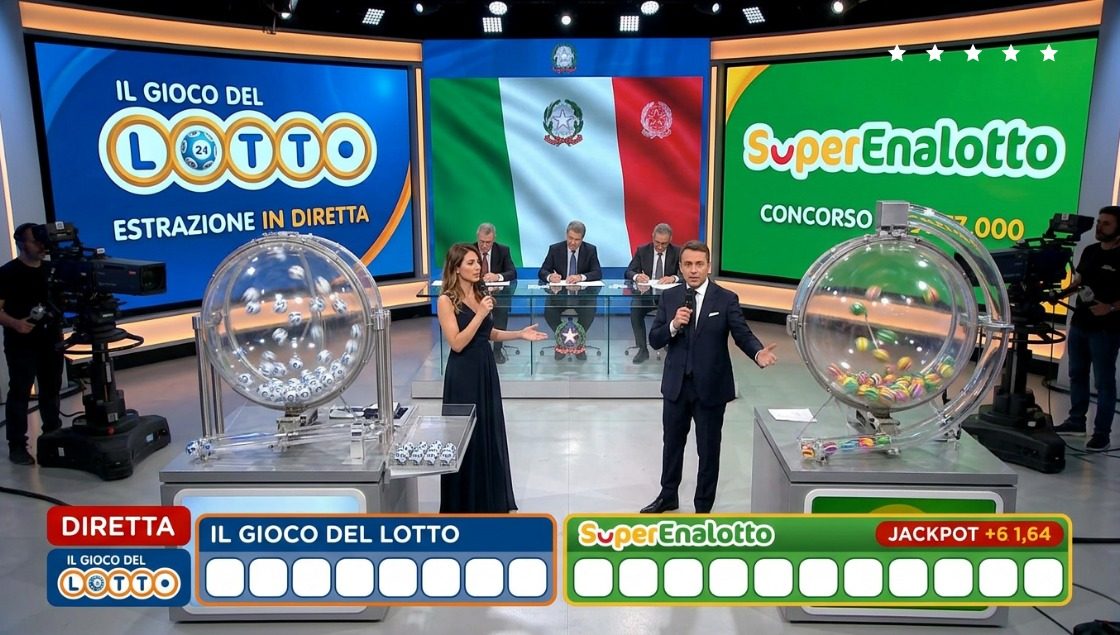
According to Italy's draft 2027 budget, a fifth weekly draw is proposed for Lotto, SuperEnalotto and related games. The technical report estimates that this measure would bring the state an additional 30.5 million euros in 2027. From 2028 onward, this amount is projected to rise to 43.1 million euros per year.
Of the first-year estimate, 15.7 million euros is expected to come from Lotto and 14.8 million euros from SuperEnalotto. The calculation assumes that part of players' spending shifts from existing draws to the new ones, and it projects a net increase of 4% compared with 2025. The report also notes that SuperEnalotto revenue could vary depending on the size of the jackpot and the timing of winnings. According to LaPresse, the measure is proposed to start in March 2027. Implementation rules will be set after the law takes effect.
A separate provision addresses unpaid amounts arising from the one-time compensation reduction of 500 million euros applied in 2015 to the slot machine supply chain. According to the technical report, 89.47 million euros remains uncollected, and collection is described as difficult. Concession holders would be held responsible for the unpaid amounts, while they could claim their respective shares from other operators in the supply chain.
Under the proposed settlement, concession holders would have to withdraw their ongoing lawsuits and refrain from filing new ones in order to receive the reduction and exemption from interest. Each individual reduction would depend on how much of the principal debt has been paid. The report caps the total reduction at 20% of the debt amount. If all eligible concession holders take part, the state could collect approximately 71.62 million euros.
Both measures are proposals in the 2027 budget bill and may change during parliamentary review.



Comments (0)
Be the first to comment.
Log in to comment.