

Brazil's betting ban enters a new phase after Lula's re-election
The legal fight against the temporary decree banning betting in Brazil has resumed after the election. Industry representatives and football clubs argue the decision is unconstitutional and are taking action before the Supreme Court and Congress.

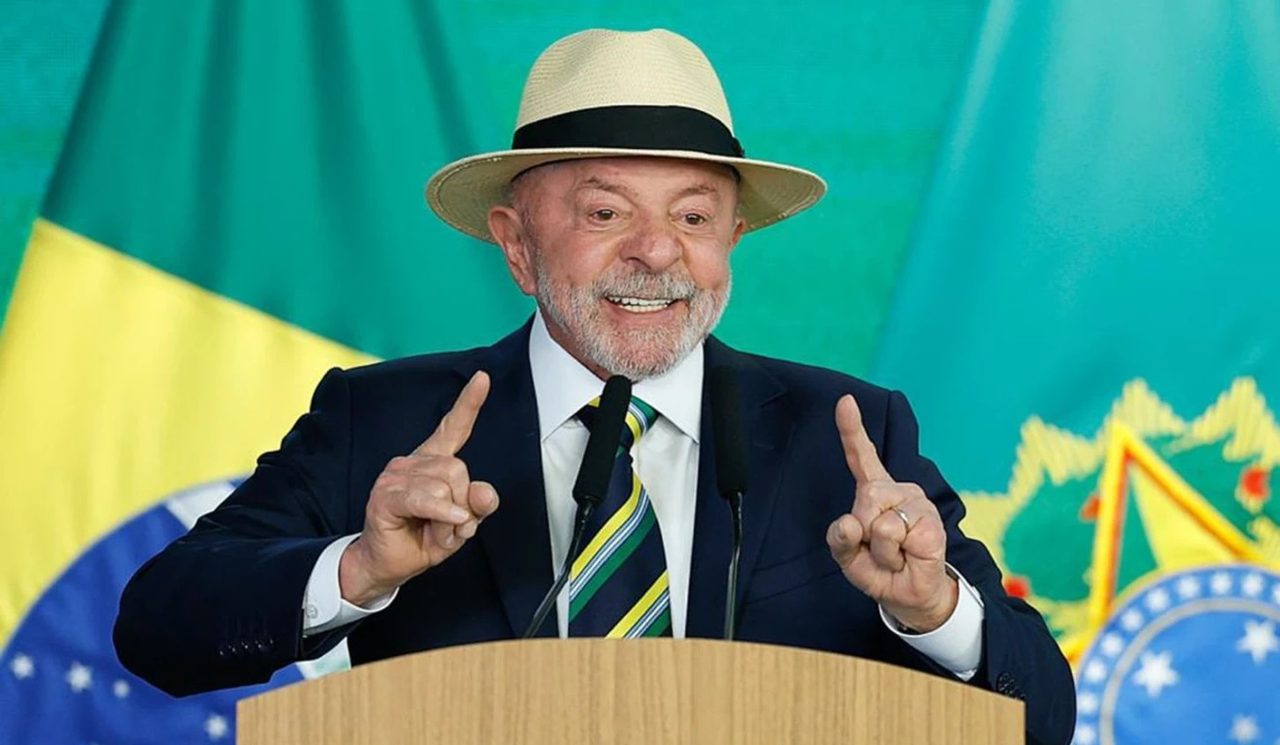
In Brazil, the Superior Electoral Court has officially confirmed that Lula da Silva was re-elected as president. Lula received about 52 percent of the vote, while his rival Flávio Bolsonaro finished with a little over 48 percent. The gap was roughly 4.3 million votes, showing how tight the race was.
Lula's stance against betting played a role in the publication of Decree 1,394, which bans betting. During the election campaign, his team even described the vote as a referendum for or against betting. With the confidence the election result provides, Lula is expected to step up his criticism of the sector.
The fight to overturn the decree has restarted on two fronts: the Supreme Court and the National Congress. Justice Luiz Fux, who is handling the case at the court, has said he will rule once the electoral process is over. In the lawsuits filed by industry organizations and football clubs, it is being debated whether the decree breaches contracts, whether it leads to mass layoffs, and whether it actually ends betting.
According to experts, no temporary decree or regulation can fully stop betting. Instead, players are likely to move to the illegal market. For this reason, the court is considered highly likely to annul the decree.
Still, the decree has seriously damaged Brazil's reputation as a place to invest. Operators that paid 30 million reais for five-year licenses, relying on the regulation, and set aside an additional 5 million reais in reserves, were forced to halt operations for more than 30 days. The sector is reported to have lost around 1.2 billion reais in revenue, and the question of who will bear that loss is now on the agenda.



Comments (0)
Be the first to comment.
Log in to comment.