

Xabi Alonso's Overthinking in Tactics Is Making Chelsea's Task Harder
Chelsea have frequently changed their defensive and midfield pairings over nine Premier League matches, which has disrupted the team's stability. The chaos in the first half against Manchester United was resolved after Cole Palmer was pushed further forward and the side returned to a 4-2-3-1 formation.

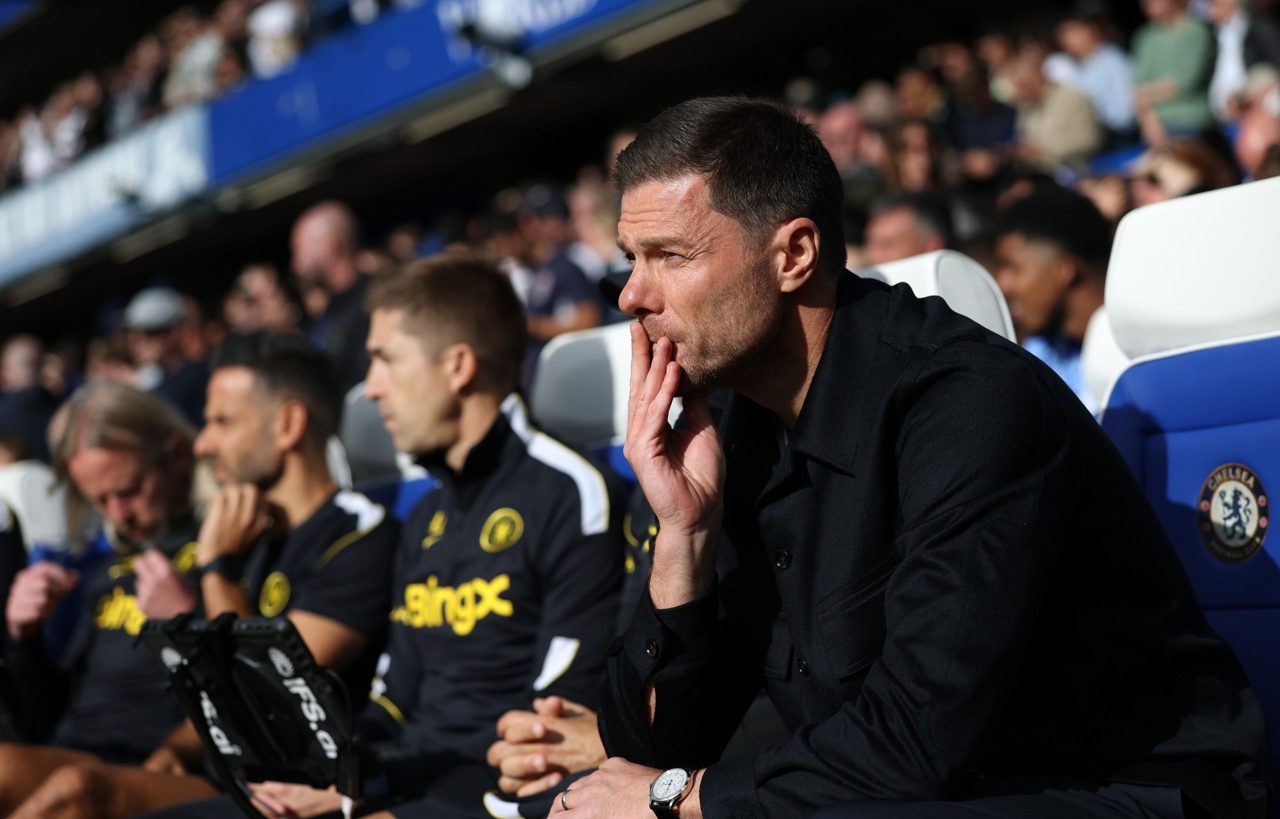
Over nine Premier League matches, Chelsea have tried six different centre-back pairings and five different two-man midfield combinations. Xabi Alonso's decision to use Henderson and Barco as a double pivot in the defeat to Brentford, and his use of a 4-4-2 without a striker in the 2-0 loss to Tottenham, are being cited as clear examples of this instability.
In the first half against Manchester United, Cole Palmer's unfamiliar position caused confusion in midfield. Chelsea frequently lost the ball in the middle of the park, and the opponent responded with quick transitions. Because the passing lanes were not open, the team could not play forward passes consistently and failed to hold a solid shape.
In the second half, Alonso moved Palmer further forward and changed the system to a 4-2-3-1. With this change, it became harder for Manchester United to deal with balls played beyond their lines, and Chelsea went on to win the match.
The report also recalls Chelsea's recent structural problems. High spending on young players, frequent changes to the squad and inconsistent form have weakened the team's identity. Alonso's arrival in the role of 'head coach' and the moving of players over the age of 30 to the training facility suggest that the club is this time seeking stability.

Comments (0)
Be the first to comment.
Log in to comment.