

Nova Scotia Examines Open iGaming Model
Nova Scotia Finance Minister John Lohr says the province is closely watching the expansion of regulated online gambling in Ontario and Alberta. The only authorized platform is run by Atlantic Lottery Corporation, and the model is being debated to prevent tax losses.

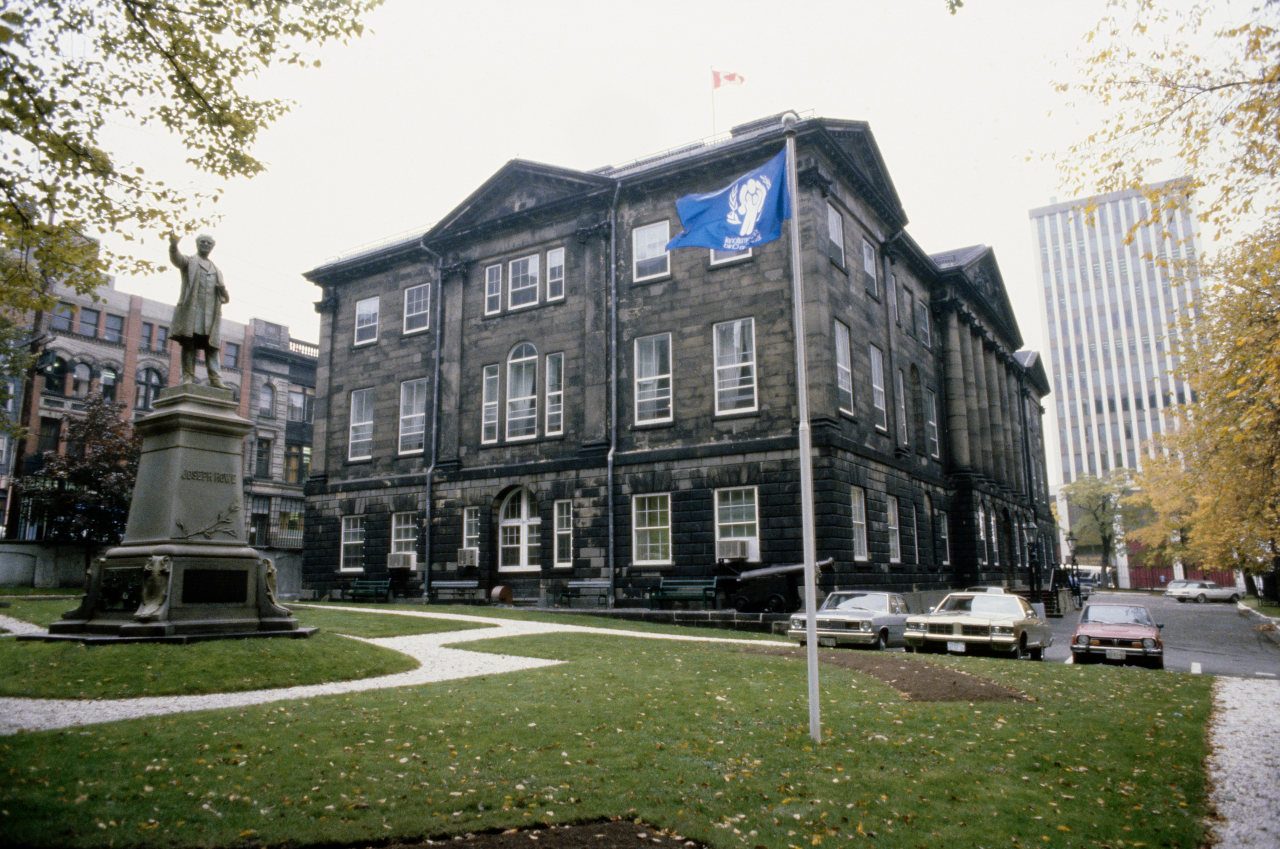
Nova Scotia Finance Minister John Lohr said the province is watching the expansion of regulated online gambling in Ontario and Alberta "very carefully." Opposition lawmakers, meanwhile, are raising concerns about possible harms linked to gambling. Lohr acknowledged that the province does not have comprehensive data on the social impacts of digital betting and said there are serious harms for people who become addicted.
The Atlantic Lottery Corporation (ALC) operates the only authorized and regulated online gambling platform in Nova Scotia. Even so, residents can freely access unlicensed offshore gambling sites.
According to data from TRM Public Affairs, the accessible iGaming market in the Atlantic Canadian provinces is estimated at about C$921 million (US$660 million). Only 25 percent of this market is served by regulated channels, while 75 percent goes to unlicensed offshore platforms. TRM calculates that this leads to an annual loss of about C$691 million (US$495 million) in gross gaming revenue (GGR). At a 20 percent provincial tax rate, this loss means about C$168 million (US$120 million) in tax revenue that is not collected in the region.
New Brunswick is reportedly proposing a regulatory framework for live dealer online casino games through Bill 8. Provincial officials are also weighing whether to adopt the Ontario model. Since launching its commercial framework in April 2022, Ontario has reached 49 licensed operators and 84 gaming sites. So far in 2026, commercial operators are reported to have generated C$3.6 billion (US$2.6 billion) in iGaming revenue, which is taxed at an effective rate of 20 percent. This figure does not include revenue from the state-owned Proline platform.
In Western Canada, Alberta opened its competitive online gaming market on July 13. The Alberta iGaming Corporation reported that, through September 30, commercial platforms generated C$122 million (US$87 million) in GGR across 51 active sites. In Quebec, following the provincial election in early October, both the Parti Québécois, which formed a minority government, and the opposition Liberals committed to ending Loto-Québec's long-standing iGaming monopoly and establishing a licensed private operator model.


Comments (0)
Be the first to comment.
Log in to comment.