

Italy's Gambling Tax: Is the Target Realistic?
The Italian government has said it expects 700 million euros in revenue from the gambling sector for the budget. Who will bear the burden, and how much each operator will pay, remains unclear until the law text and technical reports are published.


Meloni's government approved a budget of about 26 billion euros on Wednesday. Prime Minister Giorgia Meloni said the 700 million euro portion will come from gambling revenues, but did not say who will bear the burden. Details will not become clear until the text of the law is published.
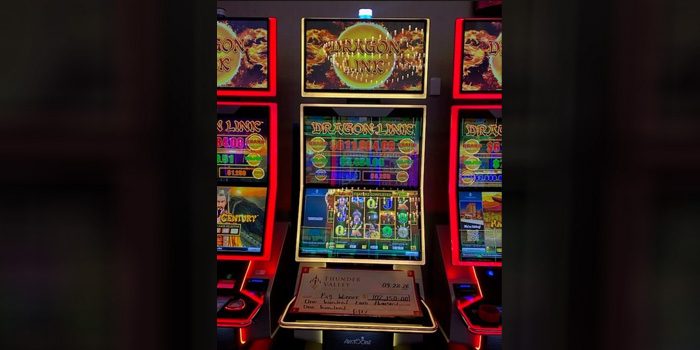
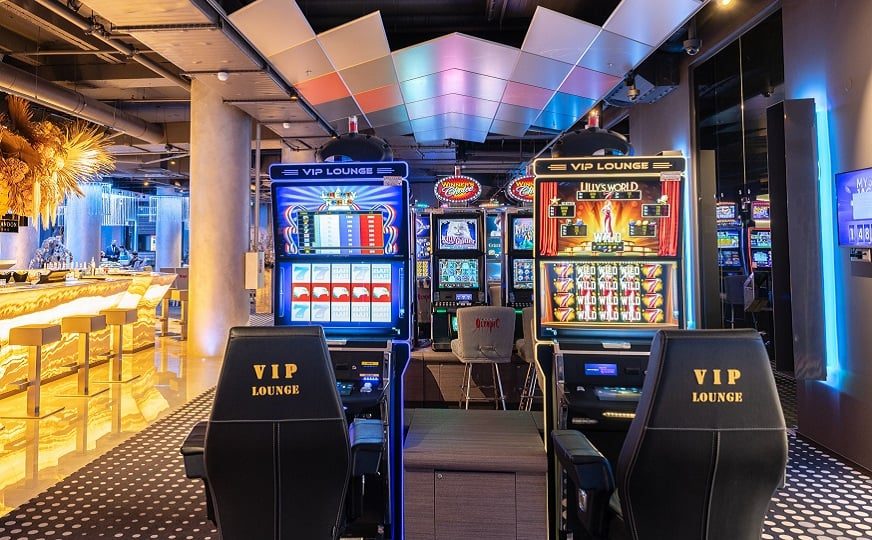
The most discussed item is physical venues. Licenses for slot machines, betting shops and bingo halls expire on 31 December. Because no agreement was reached with the regions, a new tender could not be held, and the state is extending the existing concessions. These extensions bring in about 232.76 million euros a year. Lucas Zavarise of Gaming Laboratories International says the burden will likely fall mainly on land-based retail, and that the PREU rate on slots and VLTs could rise by one point.
Law firms are more cautious. Quirino Mancini of WH Partners believes the target is achievable, but that the increase will rely more on land-based machines and costly concession extensions than on online taxes. Stefano Sbordoni of Sbordoni & Partners warns that adding a burden to shops could kill a business that is already shrinking. According to ADM data, slot revenue fell 5.7 percent in the second quarter.
Giulio Coraggio of DLA Piper, however, thinks the target will not be met. In his view, whatever the source of the money, operator margins will fall, players will bet less, or they will move to offshore sites that do not pay tax. The main source of concern in the online market, meanwhile, is the new framework under which 46 operators entered a year ago by paying 7 million euros per license.

Comments (0)
Be the first to comment.
Log in to comment.