

When Does a Full House Turn into a Trap?
This poker strategy article shows that a seemingly simple value betting spot can actually be a trap. The author stresses the importance of reassessing the opponent's range on every street.

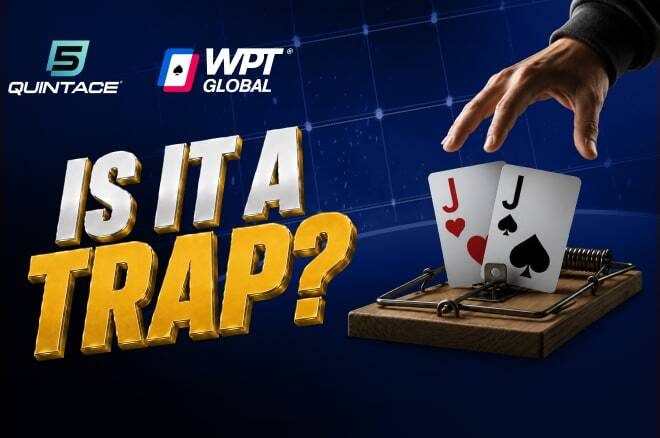
In poker, the skill that matters more than almost anything else is knowing your opponent's range. The strength of your hand alone is not enough to decide. Updating the opponent's range on every street and throughout the hand makes right decisions far more profitable.
The hand examined in the article looks at first like a chance to win money by value betting a big hand. However, that is not the case. You need to follow all four streets and ask the one important question: Which hands is the opponent continuing with, and does that range really pay off?
According to the author, bet size should be chosen based on the opponent's continuing range, not on your own hand. Sometimes a small bet and sometimes a big bet earns the most value. The value street is the turn rather than the river.
The author has three key warnings. First, think about the opponent's range before thinking about your own hand. Second, before trying to catch a bluff, check whether the opponent is bluffing at all. If the opponent has no bluffing hands, folding a big hand is not as hard as it seems. The article recommends that before calling, you ask yourself which weaker hands or bluffs the opponent could have. If you cannot answer that question, fold.


Comments (0)
Be the first to comment.
Log in to comment.