

How Casino Tourism Shaped the Identity of Northern Cyprus
The article traces the role of casinos in the narrative of Northern Cyprus tourism, from the post-1974 reconstruction period to the present. It examines dependence on the Turkish market, the closure of casinos in Turkey in 1997, and the sector's current economic size.


Why is the story of tourism in Northern Cyprus told through casinos? The author argues that answering this question requires looking beyond gambling halls. The post-1974 reconstruction, international isolation and economic choices should be read together.
The period from 1974 to 1983 is presented as an opportunity for Turkish Cypriots to build a sector with their own abilities. However, according to the author, caution is needed before describing this period as a golden age proven by economic evidence. A study by the Peace Research Institute Oslo (PRIO) points to shortcomings in infrastructure and qualified staff, as well as a decline in recorded overnight stays up to 1982.
Isolation did not begin on a single date in 1983. Non-recognition and transport restrictions accumulated over time. Under these conditions, Turkey became the largest source market, since access was easiest from there. According to PRIO data, around 80 percent of registered tourist arrivals between 1983 and 2000 came from Turkey.
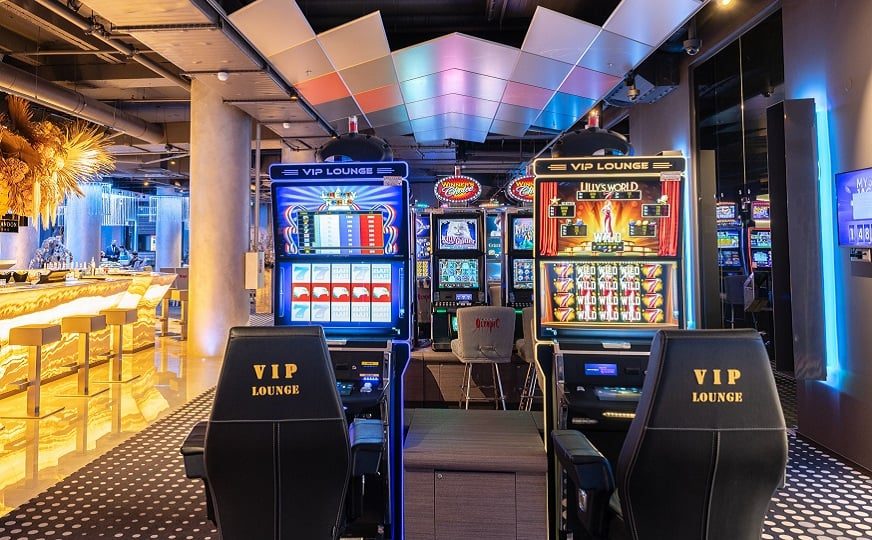
Casino tourism developed not through a single decision but through successive policy and market changes. The regulation allowing licensed gambling businesses was introduced in 1975. The closure of casinos in Turkey in 1997 created an opportunity for businesses and demand to shift abroad. According to Julie Scott, as of 1998 there were 24 casino licences in Northern Cyprus. Today, rooms, transfers, restaurants and gaming can be offered as components of the same experience.
Ayhan Sarıçiçek, Secretary General of the Casino Operators Association, put the sector's volume at 1.5 billion US dollars in April 2026. The statement noted that the annual tax and levy contribution was 220 million dollars, and payments to local suppliers exceeded 250 million dollars. It was also stated that around 600 thousand passengers came to the country thanks to the sector. These figures are not independently audited national accounts but estimates from a sector representative. Turnover, gaming revenue and economic added value are different measures, so these data cannot simply be added together.


Comments (0)
Be the first to comment.
Log in to comment.